What Does a Kingdom Teach Its Daughters About Power?
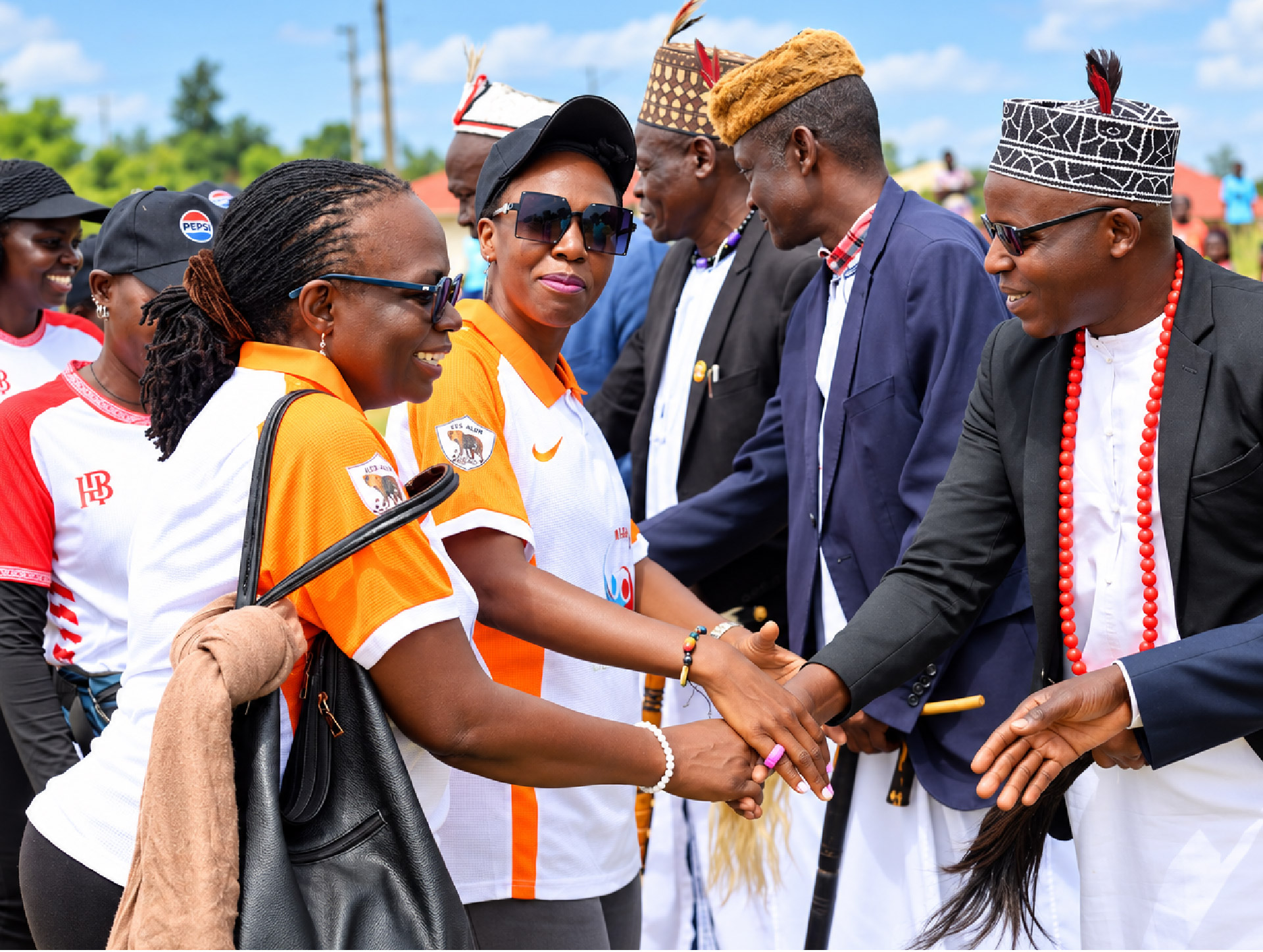
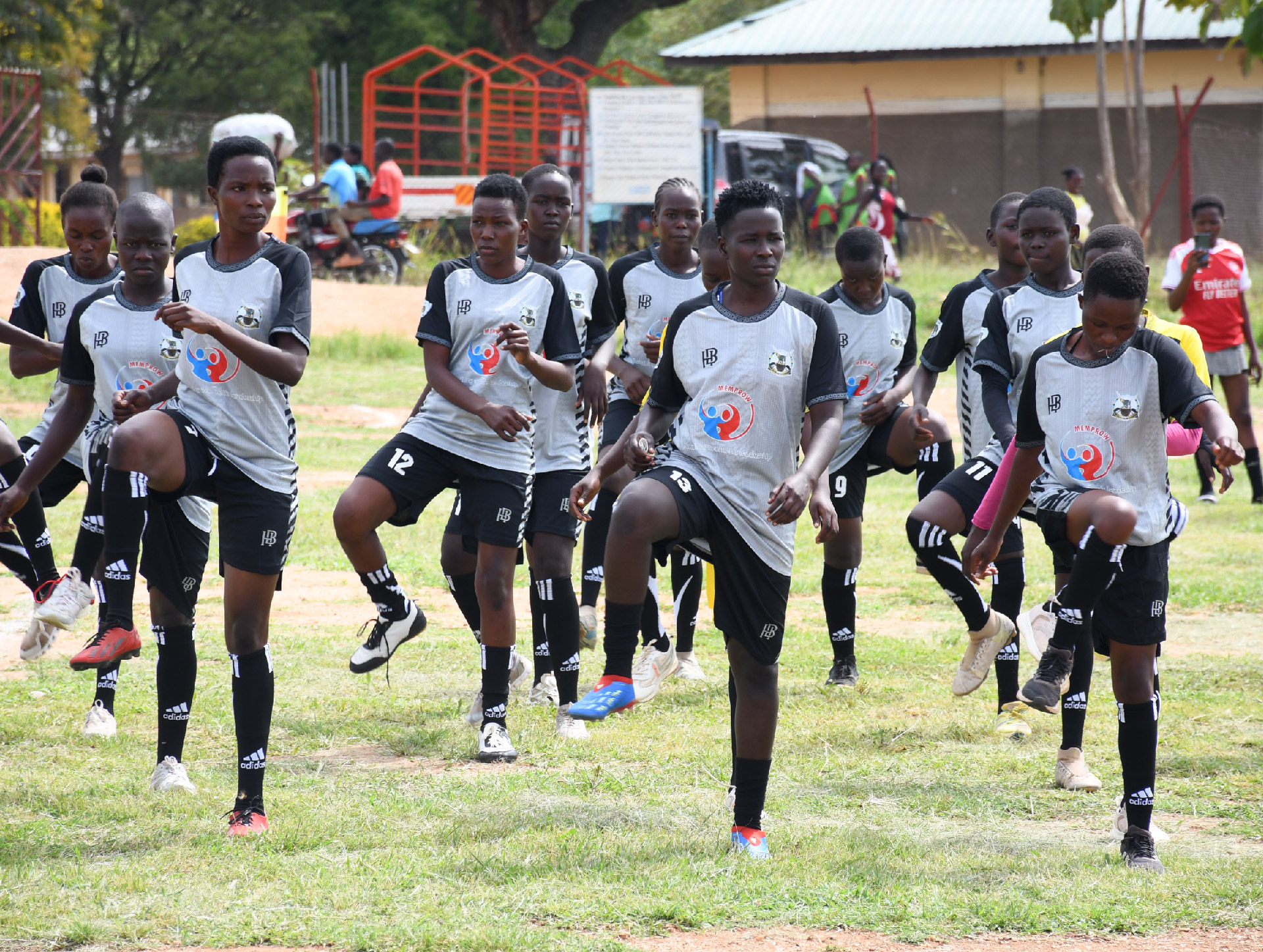
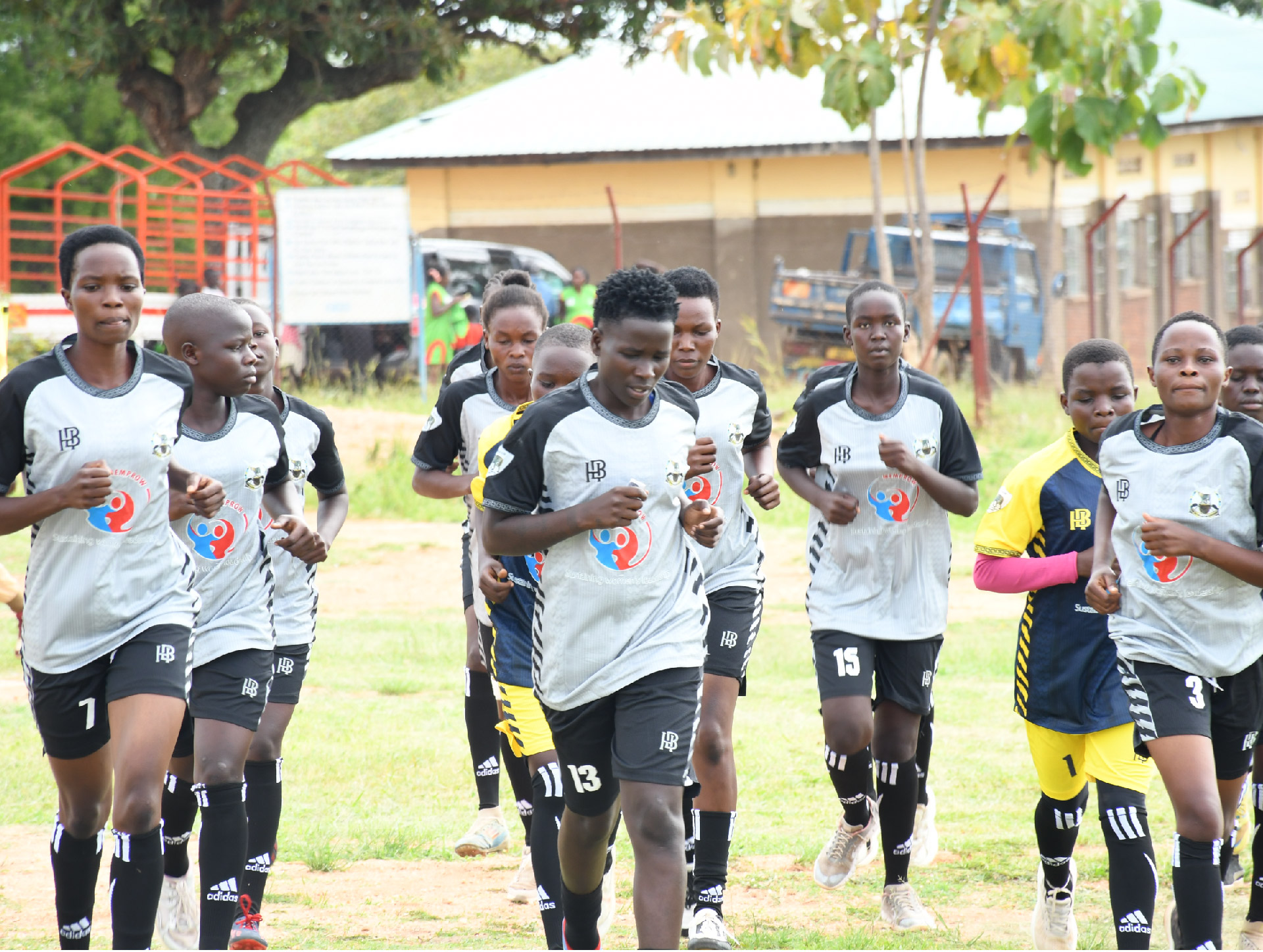
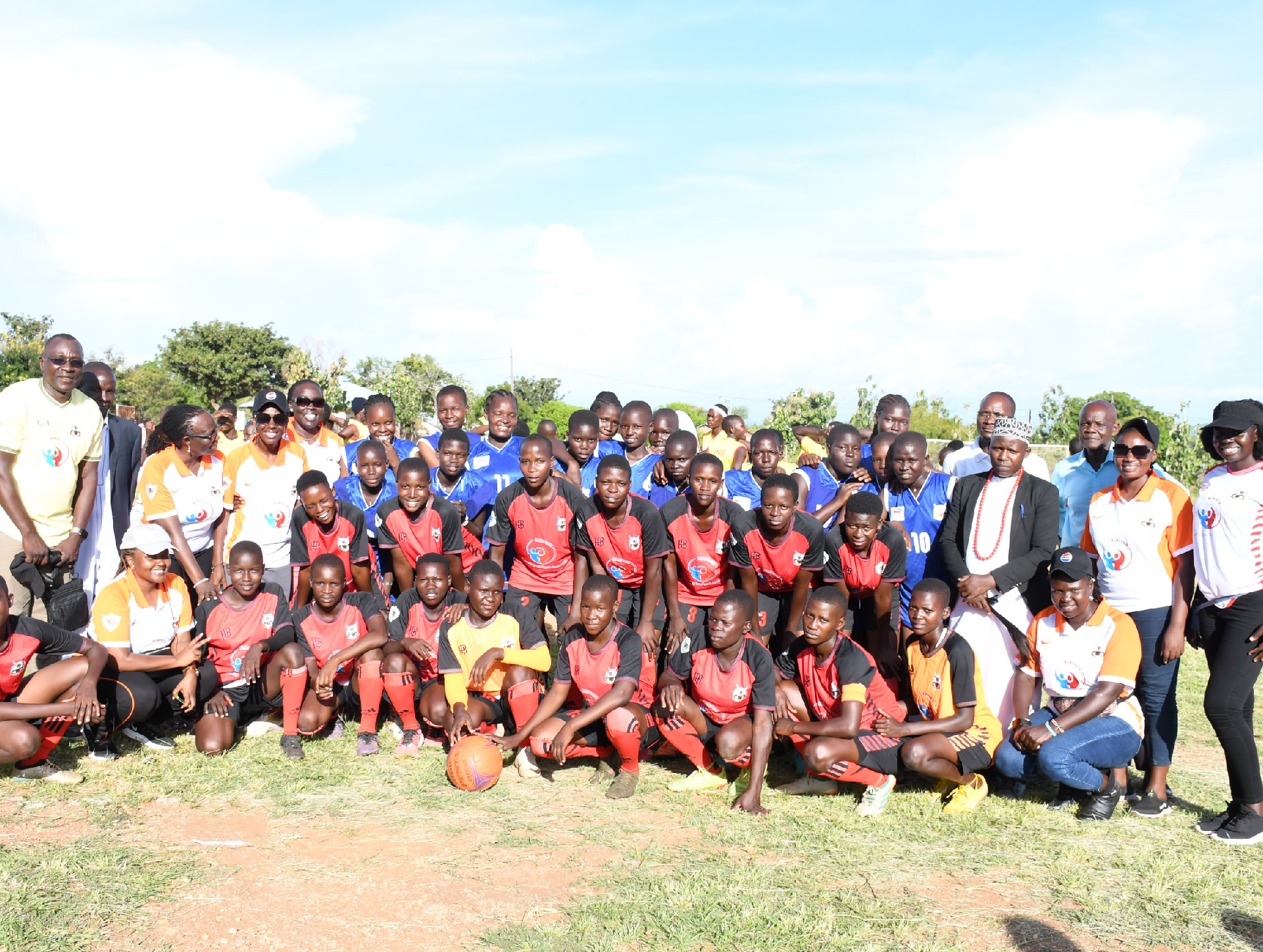
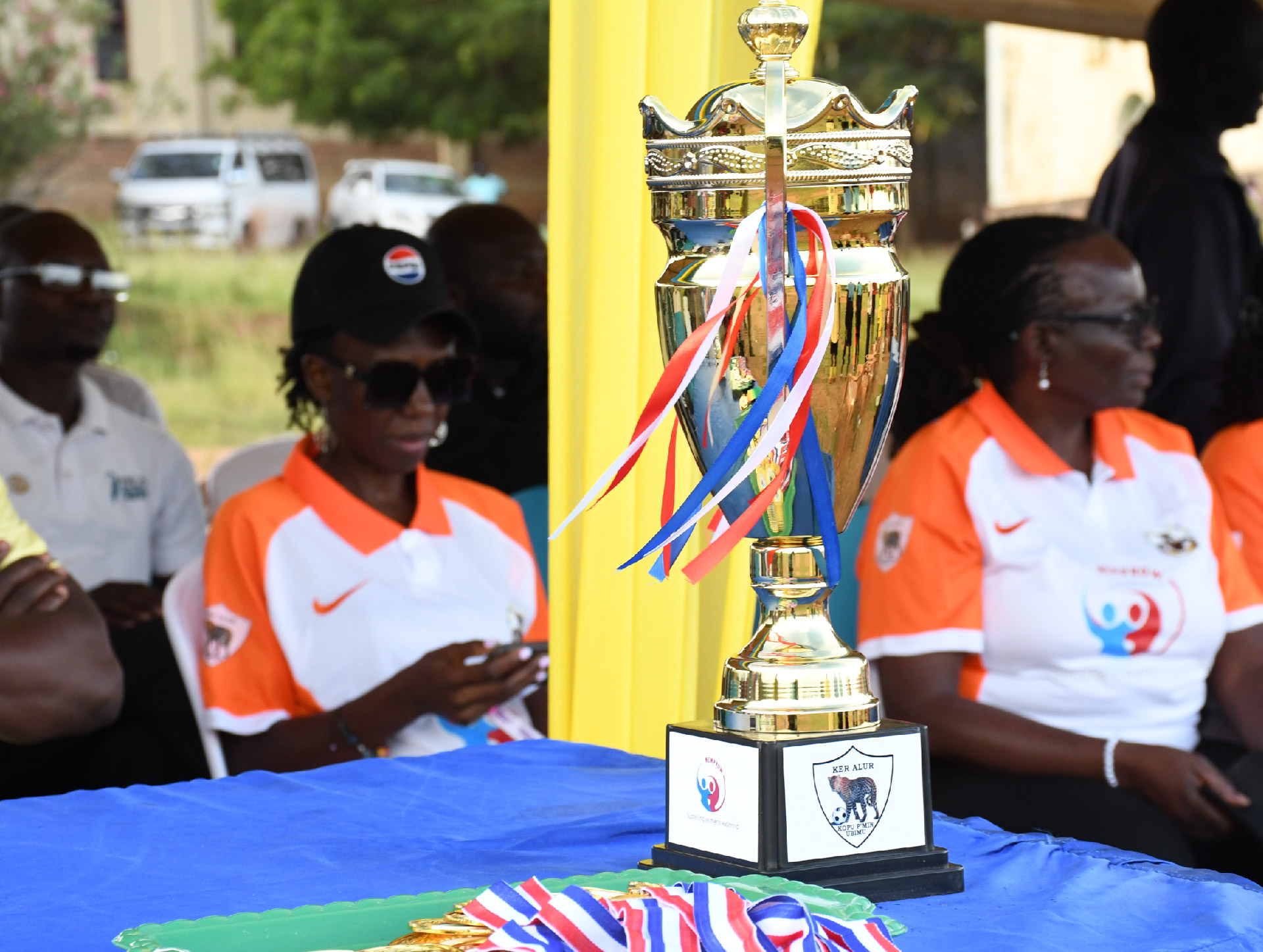
At the Queen Mother’s Cup, girls’ sport opens a wider conversation about who gets to play, lead and shape the future of the Alur community.
When a girl steps onto a football pitch, she enters a space where her judgement matters. She can call for the ball, direct a teammate, make a mistake and try again. Her contribution is visible, and others depend on it.
For communities working to advance girls’ rights, these are opportunities worth taking seriously. They allow girls to practise leadership and give the people watching a chance to reconsider what they expect from their daughters.
On 17–18 October 2026, the fifth edition of the Kopu P’min Ubimu, the Queen Mother’s Cup, brought girls from Jonam, Padyere and Okoro counties to Nyaravur Primary School playground in Nebbi District. Organised through the partnership between Alur Kingdom and MEMPROW, with support from the Go Girls Fund, the football and netball gala connected sporting competition with conversations about girls’ health, education and rights.
Jonam won the football title, while Padyere took the netball honours. Alongside those achievements was a question that will remain relevant long after the trophies have been taken home: will girls receive the same encouragement to exercise their choices beyond the playing field?
The authority to change expectations
Cultural institutions help shape what communities consider acceptable, respectable and possible. Their influence reaches into family decisions, expectations of young people and understandings of belonging.
That influence carries responsibility. When a kingdom creates a recognised sporting platform for girls, it publicly affirms their right to occupy space, develop their abilities and represent their communities. The Queen Mother’s Cup emerged in response to the limited opportunities available to girls within the kingdom’s traditional boys’ tournament, Kopu P’ubimu. Its continued existence creates room to question other limits placed on girls.
Who supports a girl when household responsibilities leave her little time to study or train? Who speaks for her continued education when marriage is presented as the next step? How do adults respond when she raises a concern about her safety?
These questions connect the pitch to the conditions shaping girls’ everyday lives.
The kingdom’s promotion of Kura Matira, with its emphasis on respect, empathy, integrity and responsibility, provides a basis for that discussion. Respect should be reflected in how adults listen to girls. Responsibility should be evident in how families and institutions protect their education and respond to harm. Cultural values gain practical meaning through these decisions.
Connecting leadership with rights
At MEMPROW, our work on ending child marriage and early unions has reinforced the importance of engaging the people and institutions that influence girls’ choices. Girls need information and confidence, alongside adults who take their concerns seriously and services they can use.
Under the theme “Kick Barriers: Girls’ Football for Leadership, Health and Rights,” this year’s gala brought attention to sexual and reproductive health and rights, school retention, HIV prevention, gender-based violence and mental wellbeing.
These issues are closely connected. A girl’s ability to stay in school may depend on her safety, access to health information, family support and the resources available to her. Girls who are already mothers also need opportunities to continue learning, develop skills and participate in community life without stigma.
Sport provides an accessible setting for these conversations. Its value grows when girls can help shape the discussion and when the concerns they raise inform the support that follows.
What must continue after the tournament
The lasting value of the Queen Mother’s Cup will depend on what happens between editions.
That includes continued mentorship, accessible health services, support to remain in or return to education, and opportunities for girls to develop their sporting talent. It also requires follow-up with families, cultural leaders and institutions on the barriers girls identify.
For partners supporting this work, continuity deserves investment. The relationships built around an annual tournament need time and resources if they are to support girls throughout the year.
The Queen Mother’s Cup offers a place from which to build that work: a recognised cultural platform where girls can demonstrate ability, form relationships and exercise leadership.
Our responsibility is to ensure that the support they encounter there extends into their schools, homes and communities. A girl encouraged to lead her team should also be heard when she speaks about her education, safety and future.
Written by: MEMPROW - Mentoring and Empowerment Programme for Young Women
Share this Post:>>>>
Our Development Partners